
By Anthony Tran
Some life experiences do more than hurt you. They make you stop, look within, and ask harder questions about who you are becoming.
I reached one of those points during a difficult family situation where I felt a heavy sense of blame directed towards me. It was emotionally draining and, at the time, deeply unsettling. I felt confused, hurt, and unsure how to make sense of what was happening.
For a while, I was caught inside the pain of it. But as I slowly stepped back, I began to see that the experience was asking something of me. It pushed me to think more carefully about my values, my relationships, my purpose, and the way I wanted to respond when life felt unfair.
That’s why I believe the way we think shapes the way we live. Our thoughts don’t control everything that happens to us, but they do influence the meaning we give to our experiences, the choices we make next, and the person we become through difficulty.
The Stories We Tell Ourselves Matter
Our inner dialogue can quietly shape the way we experience life. It affects whether we see a setback as proof that we are failing, or as a painful moment we can still learn from.
When something difficult happens, the mind often tries to explain it quickly. It may tell us we aren’t valued, that we should have done better, or that things will never improve. Those thoughts can feel convincing, especially when emotions are high, but they aren’t always accurate.
This is one reason it helps to question our thinking rather than accept every thought as truth. For me, learning to pause and examine my thoughts helped me become less reactive. It didn’t make the situation easy, but it helped me respond with more honesty and care.
Difficult Moments Can Reveal What Matters
During that family experience, I found myself asking questions I had avoided or only touched lightly before.
- Who do I want to be when I feel misunderstood?
- What values do I want to live by when emotions are high?
- How can I stay caring without carrying what is not mine?
- What kind of life am I trying to build?
Those questions were uncomfortable, but they were also clarifying. They helped me shift from simply feeling wounded to becoming more curious about what the experience was revealing.
I began to see that some of my anger was connected to hurt. Some of my fears came from wanting to protect the relationships that mattered to me. Some of the blame I felt wasn’t entirely mine to hold.
That kind of reflection didn’t excuse anyone’s behaviour. It simply helped me understand the situation and myself with more maturity.
Reframing Can Create a Wiser Response
One helpful practice I have come back to many times is reframing. To me, reframing isn’t pretending that something painful is good. It’s looking at the situation with enough distance to find a more balanced and useful way to respond.
Instead of thinking, “This proves I am the problem,” I might ask, “What part of this is mine to take responsibility for, and what part belongs elsewhere?”
Instead of thinking, “I can’t move past this,” I might ask, “What’s one small step that would help me regain my footing?”
Instead of thinking, “I should have handled things better,” I might ask, “How would I speak to someone I loved if they were carrying this much?”
The Mayo Clinic notes that cognitive behavioral therapy can help people recognise inaccurate or negative thinking and view challenging situations more clearly.
That small pause between thought and response can change a lot. It gives us room to act from our values rather than from our first emotional reaction.
Growth Changes the Next Step
The way we think also affects what we do after something goes wrong. If we see difficulty only as a sign that life is against us, we may close off, give up, or become resentful.
But when we believe we can learn, adapt, and grow, hardship doesn’t have the final word.
Stanford Teaching Commons describes a growth mindset as the belief that intelligence can be developed. Although the idea is often used in learning settings, I think it has a much wider place in life.
A growth mindset doesn’t mean welcoming pain or forcing gratitude before we are ready. It means leaving space for the possibility that even unwanted experiences can shape our wisdom, compassion, and strength.
Looking back, the family situation I went through changed the way I thought about my life. It made me more serious about living with purpose, loving better, and becoming someone my family could rely on and respect.
Purpose Often Begins with Reflection
One of the clearest lessons I took from that period was this: I want to live as fully and responsibly as I can, for myself and for the people I love.
That understanding wasn’t dramatic, but it became important to me.
I don’t want to move through life on autopilot, reacting to whatever happens and losing sight of what matters. I want my choices to reflect care, growth, contribution, and love. I want to use my life well, not perfectly, but honestly.
Purpose doesn’t always appear in a single defining moment. Sometimes it grows through discomfort, self-questioning, a sense of responsibility, and the quiet decision to live with more intention.
Small Questions Can Shift Your Direction
Changing your thinking often starts with small questions asked at the right moment.
When you feel trapped in a painful thought, you might ask:
- Is this thought true, or is it simply familiar?
- What might I be missing right now?
- What part of this situation can I influence?
- What response would reflect the person I am trying to become?
- How can I act with both self-respect and compassion?
These questions don’t remove life’s difficulties. They help you meet those difficulties with more clarity. They remind you that you can pause, reflect, and choose your next step rather than being led solely by old patterns or immediate emotion.
Living from a Clearer Place
The way you think shapes the way you live because it shapes the way you interpret pain, possibility, responsibility, and purpose.
I still have moments when I doubt myself, react too quickly, or feel weighed down by life. I don’t think personal growth removes those moments. It helps us meet them with more honesty.
For me, this is where real change begins. Not in pretending everything is easy, but in learning to think with more awareness, respond with more care, and live with a stronger sense of what matters.
When your thinking becomes clearer, your life can become more intentional. And sometimes, that small inner shift is the beginning of a very different way forward.
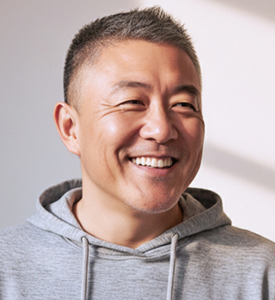 About the Author
Cofounder of Pixelated.org, Anthony Tran is a lifelong learner and passionate advocate of personal growth and wellbeing. Through lived experience and ongoing exploration of psychology, philosophy and self-help literature, he shares practical insights to encourage continuous self-improvement and meaningful, intentional living. Grounded in strong personal and family values and with an entrepreneurial mindset, Anthony is dedicated to embracing life while supporting others who seek to do the same.






Leave a Reply