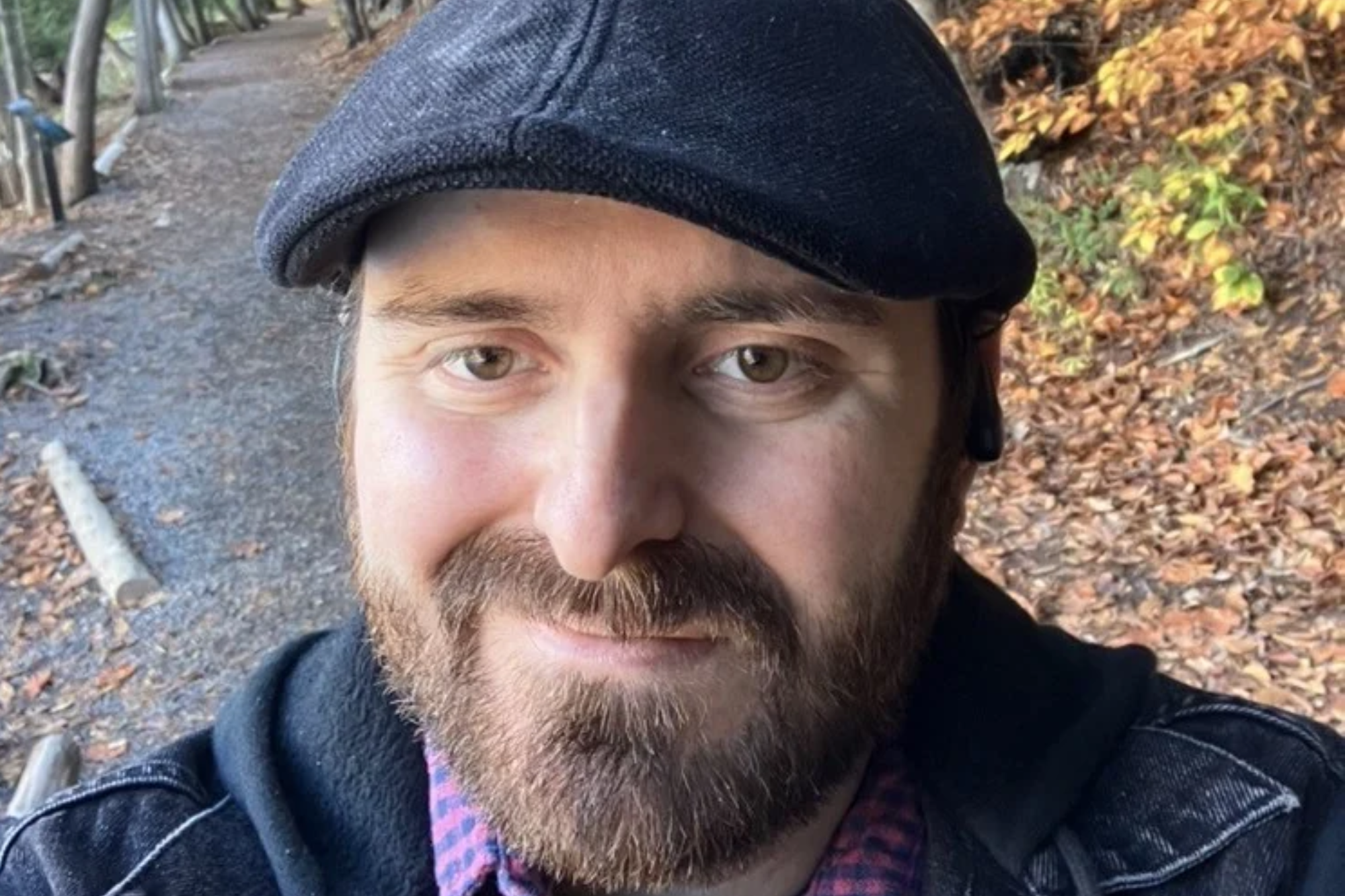
By Matt Buonocore
For a long time, I believed healing meant leaving the past behind.
I thought that if I became strong enough, forgiving enough, or understanding enough, I might eventually reach a place where the things that had hurt me no longer mattered.
But I’ve come to understand that healing doesn’t always ask us to move forward. Sometimes, it asks us to return.
Not to relive our suffering, but to meet the person we were when it began. And perhaps, for the first time, offer them our love.
The Child We Carry
Like many people, I experienced things in childhood that I didn’t have the understanding or emotional capacity to process.
As I grew older, I carried those experiences with me, sometimes without realizing how deeply they had shaped my relationship with myself.
There were periods when the pain became overwhelming. I experienced panic attacks, profound emotional distress, and feelings I struggled to explain.
Yet I continued living. I worked, built relationships, laughed, loved, and found joy in ordinary moments.
From the outside, much of my life appeared perfectly normal. But healing is not always visible.
Sometimes, beneath the person we’ve become, there is still a frightened child waiting to be heard.
One of the most meaningful realizations of my life has been that I don’t need to reject that child to become a healthier adult.
I can acknowledge what he experienced and offer him the compassion he needed when he didn’t know how to ask for it.
He doesn’t need my judgment. He needs my understanding.
When Forgiveness Becomes Personal
We often think of forgiveness as something we extend to others. But how often do we offer ourselves that same understanding?
We revisit our mistakes, question our choices, and expect our younger selves to have possessed the wisdom we carry today. But how could they?
For several years, my mother and I were estranged. During that separation, we each carried pain the other didn’t fully understand.
Eventually, we found our way back into each other’s lives.
In one conversation, we spoke openly about the suffering we’d experienced. I shared moments of my own distress, and she told me how deeply our separation had affected her.
We listened.
Nothing we said could change the past. But we could meet each other as the people we’d become.
That conversation reminded me that compassion doesn’t require us to deny suffering or pretend that everything was acceptable. It asks us to recognize the humanity within it.
And that same understanding can be extended inward.
We can acknowledge our mistakes without condemning ourselves. We can take responsibility without abandoning ourselves.
Finding My Voice Through Poetry
I began writing poetry at twenty-three, following a profound spiritual experience that changed the way I understood myself.
At first, I wasn’t concerned with becoming an author. I simply had something within me that wanted to be expressed.
Poetry became a place where I could explore my suffering without being consumed by it. It allowed me to question my beliefs, examine my fears, and discover feelings I hadn’t yet found the words to describe.
Sometimes, writing felt like meditation. Other times, it felt like a conversation with parts of myself I’d spent years avoiding.
Gradually, I stopped seeing my pain as something that made me less worthy of love. I began recognizing it as part of the human experience.
I wrote about fear, forgiveness, and grief, but also wonder, gratitude, and the extraordinary beauty of being alive.
The more honestly I explored my own humanity, the more clearly I recognized it in others.
Perhaps that is one of the quiet gifts of self-compassion: when we stop treating our suffering as shameful, we become more capable of embracing the suffering of others.
Love Does Not Require Perfection
I don’t believe healing means reaching a point where we never struggle again.
There are still difficult days, painful memories, and moments when old feelings arise. But those moments don’t mean I’ve failed. They remind me that I’m human.
Compassion isn’t the absence of accountability. It’s the understanding that we can grow without continually punishing ourselves.
We can change without despising who we used to be. We can forgive without forgetting.
The child I once was and the man I am today are not separate people competing for a place in my life. They are both part of me. And both are deserving of love.
The Compassion That Includes Us All
Think of someone you love who is struggling.
Would you demand that they become perfect before offering your kindness? Would you insist that they overcome every fear, regret, and insecurity before they were worthy of being embraced?
Of course not. You would recognize their humanity.
So why should we offer ourselves anything less?
We cannot rewrite our childhoods, erase our mistakes, or recover every moment we wish had unfolded differently. But we can change how we relate to those experiences.
We can stop treating our past as an enemy. We can listen to the parts of ourselves asking for care.
And when we encounter our younger selves in memory, we can meet them with open arms rather than judgment.
Because sometimes the most transformative act of compassion isn’t something we do for another person.
Sometimes, it’s the moment we finally turn toward ourselves and say:
I understand.
I’m here.
And I’m not leaving you behind.
About the Author
Matt Buonocore is a poet and author whose writing explores love, healing, forgiveness, spiritual awakening, and the shared human experience. Drawing from his own journey of self-discovery, he uses poetry to encourage compassion, connection, and a deeper understanding of ourselves and one another. His books include Our Love Is the Cure, My Heart as the Map, and The Magic of the Moment. You can follow Matt on Instagram at modern_sooth.






Leave a Reply